
What is canola oil?
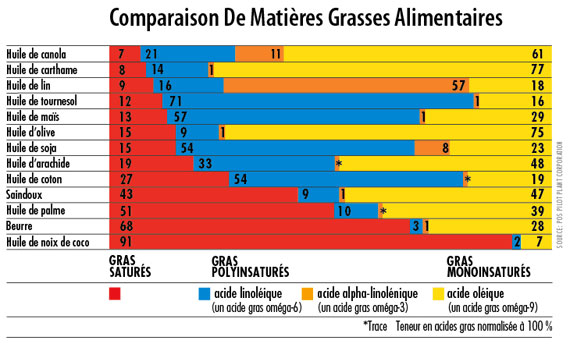
Canola is the name given to a variety of rapeseed developed in Canada in the 1970s. The term comes from the English “Canadian oil, low acid.” Canada is the world’s largest producer of canola and exports it to many countries. Known for its superior nutritional qualities, canola is a popular vegetable oil that contains the highest proportion of health-beneficial fats, such as omega-3, 6, and 9, in ideal ratios. This highly stable oil is mainly used by the food industry for frying, as it helps reduce or completely eliminate trans fatty acids in fried foods.
The nutritional benefits of canola
- Cholesterol-free and trans fat–free
- Low in saturated fat, which is responsible for “bad” cholesterol
- A source of omega-6 fatty acids, essential for proper brain function and healthy infant growth
- A source of omega-3 fatty acids, which help prevent heart attacks and strokes
- A source of vitamins E and K, as well as plant sterols that help prevent heart disease
Canola Info
CanolaInfo is an information resource on canola oil for consumers, health professionals, chefs, the media, educators, and anyone who wishes to learn more about the healthiest commonly used cooking oil on the market. The CanolaInfo team is supported by Canadian canola growers, seed suppliers, exporters, food industry processors, food companies, and various levels of government.
To learn more about canola oil, visit canolainfo.org.
The Canola Council
The Canola Council is the association that brings together all links in the canola production, distribution, and processing chain in Canada. It promotes canola worldwide, provides access to product information for the public and professionals, supports research on the benefits of canola, and works continuously to improve its quality.
To learn more about the Canola Council and access its resources, visit canolacouncil.org.
Kosher certification
To learn more about kosher certification, visit ok.org.